


 Industry
Automotive
Automotive manufacturers face escalating pressure to meet stringent safety standards while delivering efficient, cost-effective electric and autonomous vehicles. Traditional control systems struggle with the real-time response demands of safety-critical applications. Ultra Edge® delivers sub-0.1 millisecond fault detection and correction across 100% of operating conditions, enabling smaller more efficient motor components in EVs while adhering to ISO 26262 compliance.
Breakdown of industry
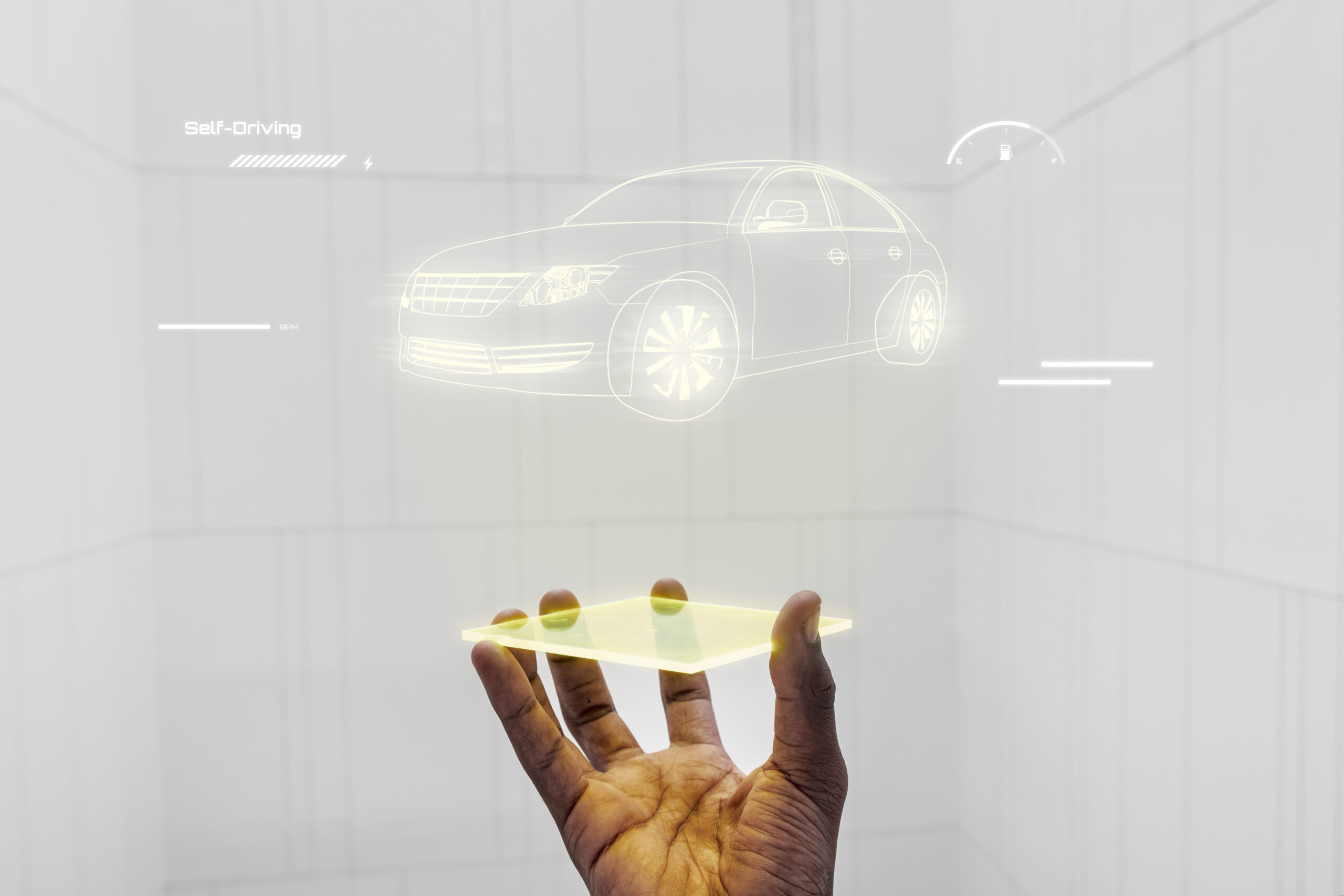 Critical Data Validation
Ultra Edge® validates critical operational data at the circuit level before it leaves the device. Our FilterX pre-processing network reduces cloud-bound data by 10,000x while maintaining 100% coverage of fault conditions and stress events. This eliminates big data latency while ensuring real-time monitoring of safety-critical systems across braking, steering, and powertrain applications.
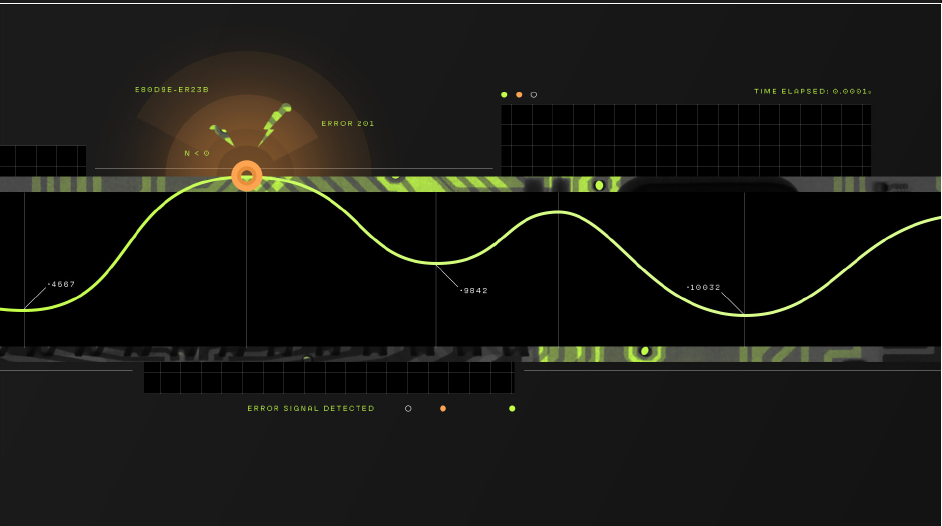 Regulation Margin Reduction
Ultra Edge® eliminates peak current overshoot in real-time, allowing automotive manufacturers to reduce regulation margins without sacrificing reliability. By preventing worst-case transients before they occur, you can downsize motors, reduce windings, and specify smaller components – cutting BOM costs and weight while maintaining equivalent performance. Same reliability. Optimised design.
 Hybrid Power Conversion
Ultra Edge® enables power inverter manufacturers to combine both wide bandgap and silicon-based technologies, with Ultra Edge® seamlessly selecting the technology best suited to deliver the most efficient response – solving part load efficiency challenges whilst significantly reducing device BOM cost.
 Future Compliance
Ultra Edge®’s sub-0.1 millisecond fault detection and response capabilities directly address ISO 26262 requirements for safety-critical automotive systems like braking and steering. As autonomous vehicles evolve to L3-L5 levels, eliminating human controllability demands even faster real-time safety responses – positioning Ultra Edge® as essential future-ready technology.

Autonomous
self-driving
Ultra Edge® enables the precise motor control and real-time fault detection essential for autonomous self-driving vehicles. Sub-0.1 millisecond response times support safety-critical steer-by-wire and brake-by-wire systems that autonomous driving algorithms depend on. Circuit-level monitoring provides 100% coverage of stress conditions across power systems, braking, and steering, while supporting ISO 26262 ASIL D compliance for autonomous vehicle safety requirements.
Where optimisation meets revolution
Disruptive Innovation Validated
Our circuit-level AI represents a fundamental breakthrough – the world’s first real-time system response correction technology that transforms how industries approach power and control optimisation – all backed by comprehensive patent protection through EPO and USPTO validation.
Market Leadership
The de facto solution for power and control system optimisation across critical global industries. Ultra Edge solves problems others accept as inevitable, establishing the new standard for performance and reliability.
Proven Technology
Prototype development completed with proven results that eliminate peak current overshoot and delivers substantial efficiency gains. Commercial validation underway with global technology leaders across automotive, industrial and grid sectors – transforming laboratory breakthrough into real-world performance improvements.
Global Impact
A global standard for power and control system optimisation in sustainable, smart technologies. Every machine matters – and our vision puts circuit-level intelligence into powering critical infrastructure worldwide, enabling the optimisation revolution that makes net zero achievable.

Changing perspectives in optimisation
Traditional optimisation waits for problems to occur, then reacts. Ultra Edge® fundamentally changes this approach—preventing inefficiencies before they happen through real-time circuit-level intelligence. We’re moving beyond reactive maintenance to proactive system response correction, transforming how industries think about power control and energy efficiency.